


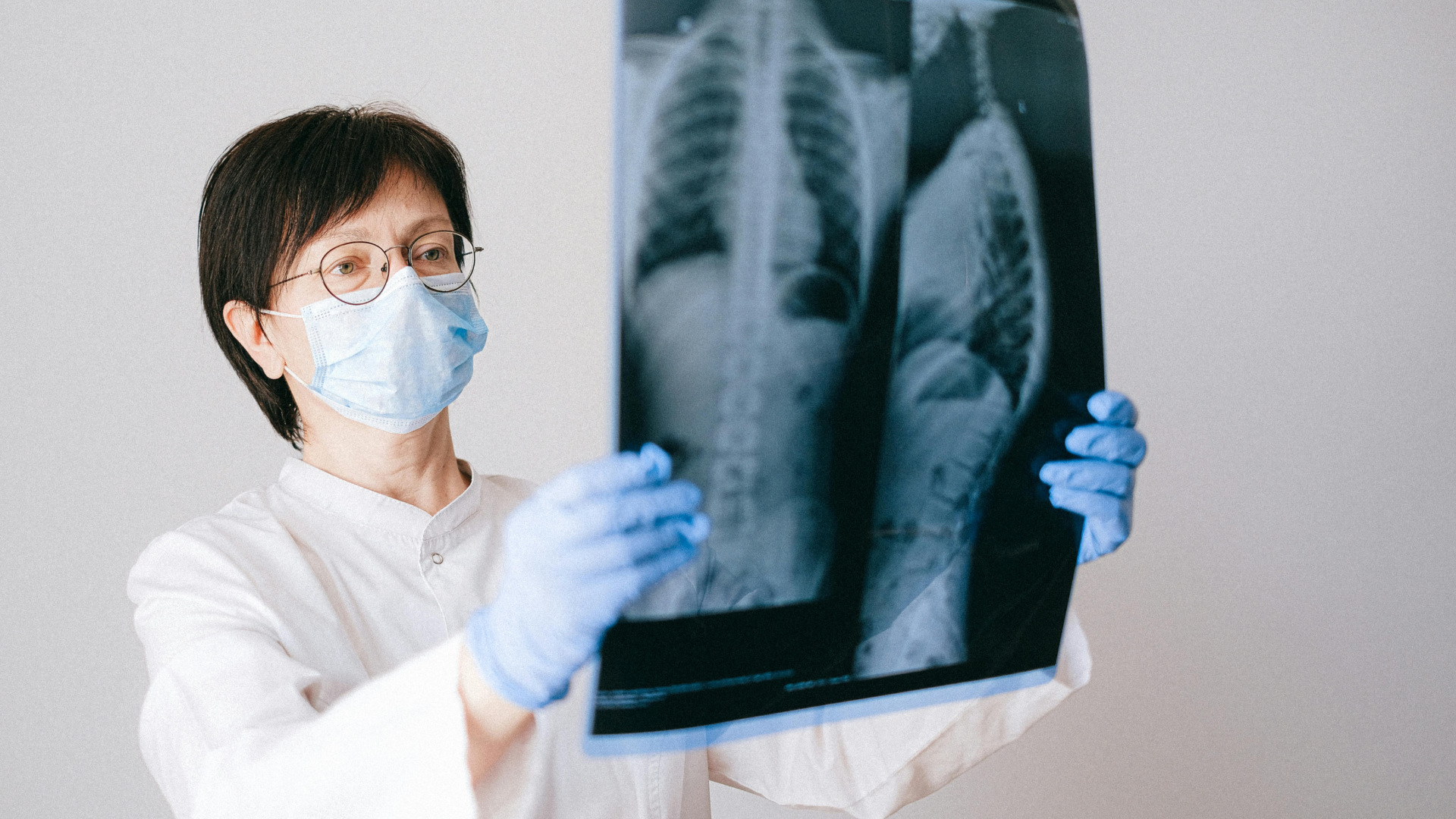
Tuberculosis (TB) and lung cancer are two lung diseases that often present with similar symptoms, such as a persistent cough, shortness of breath, and chest pain. This similarity makes it difficult for many people to distinguish between the two. In fact, their causes, treatments, and levels of severity are very different.
Misunderstanding these symptoms can lead to delays in proper diagnosis and treatment. Therefore, it is important to recognize the differences between TB and lung cancer so that symptoms are not underestimated.
On the other hand, lung cancer is one of the most serious global health problems. Based on global data, lung cancer is the leading cause of cancer-related deaths, with approximately 1.8 million deaths each year and more than 2.4 million new cases diagnosed annually. Many cases are detected at an advanced stage, making treatment more challenging.
Meanwhile, TB is an infectious disease caused by the bacterium Mycobacterium tuberculosis and remains common in many countries, including Indonesia. Because both diseases can present similar symptoms in their early stages, confusion between them frequently occurs in the community.
So, what are the main differences between TB and lung cancer? Here are some key points to consider.
Differences Between Lung Cancer and Tuberculosis (TB)
1. Based on Causes
The main difference between TB and lung cancer lies in their causes. TB is an infectious disease, while lung cancer results from abnormal cell growth in lung tissue.
TB is caused by the bacterium Mycobacterium tuberculosis, which attacks the lungs and spreads through airborne droplets when an infected person coughs or sneezes. This infection triggers inflammation in lung tissue and can lead to lung damage if not treated properly.
In contrast, lung cancer is not caused by infection but by mutations in lung cells that cause them to grow uncontrollably. Smoking is the primary risk factor, but other factors such as air pollution, exposure to harmful substances in the workplace, and family history can also increase the risk.
Some studies suggest that long-term TB infection may increase the risk of lung cancer, mainly due to chronic inflammation in lung tissue. However, in general, TB and lung cancer remain distinct diseases in terms of both causes and treatment approaches.
2. Based on Symptoms
TB and lung cancer can produce similar symptoms, including a prolonged cough, chest pain, weight loss, and coughing up blood. Because of this overlap, distinguishing between them without medical examination can be difficult.
In lung cancer, symptoms often do not appear in the early stages and usually become noticeable as the disease progresses. Common symptoms include a persistent and worsening cough, shortness of breath, chest pain, hoarseness, weight loss, and loss of appetite. In some cases, there may also be finger clubbing or swelling of the face and neck.
In contrast, pulmonary TB is typically characterized by a cough lasting more than three weeks, often accompanied by sputum or blood. Other common symptoms include fever, night sweats, fatigue, and weight loss, reflecting its infectious nature.
Although some symptoms overlap, TB is more often associated with signs of infection such as fever and night sweats, while lung cancer is more commonly linked to progressively worsening lung function. Therefore, medical evaluation is essential for an accurate diagnosis.
3. Based on Diagnostic Methods
The key difference in diagnosing TB and lung cancer lies in the purpose of the examination.
For TB, the goal is to detect infection caused by Mycobacterium tuberculosis. Common tests include sputum examination (microscopy), molecular tests such as rapid molecular testing (TCM), bacterial culture, and chest X-rays.
For lung cancer, the goal is to detect tumors or cancerous cells. Imaging methods such as CT scans or low-dose CT scans (LDCT) are used to identify nodules or masses in the lungs. If suspicious abnormalities are found, a biopsy is usually performed to confirm whether the cells are cancerous.
These differences show that, despite similar symptoms, TB and lung cancer require different diagnostic approaches.
The Risks of Misdiagnosis
In clinical practice, misdiagnosis between TB and lung cancer can occur because both conditions may present similar clinical and radiological features.
Patients with lung cancer who are misdiagnosed with TB may undergo prolonged anti-TB treatment, delaying the correct diagnosis and allowing the cancer to progress to a more advanced stage.
On imaging, TB often appears as cavities, pleural effusion, or lymph node enlargement, while lung cancer more commonly appears as nodules. However, some radiological findings may overlap, making it difficult to distinguish between the two based on imaging alone.
In addition, certain tumor markers in the blood are not always specific, as they can also be elevated in conditions other than cancer, including TB infection. Therefore, further tests such as tissue biopsy are often required to confirm an accurate diagnosis.
The Importance of Early Detection
Understanding the differences between TB and lung cancer is crucial for determining the appropriate treatment. Accurate medical evaluation helps identify the underlying cause of symptoms, allowing patients to receive the correct therapy as soon as possible.
The earlier a disease is detected, the greater the chances of successful treatment.
As a diagnostic laboratory, KALGen Innolab supports early detection of lung cancer through advanced diagnostic technologies. Molecular-based testing is increasingly used to better understand the characteristics of lung diseases.
KALGen Innolab provides several molecular testing services for lung cancer, including triple test markers such as EGFR, PD-L1, and ALK. In addition, there is also the TB 4-in-One test, a rapid molecular test for TB diagnosis.
Conclusion
TB and lung cancer are two different lung diseases that often present with similar symptoms, such as persistent cough, chest pain, shortness of breath, and weight loss. This similarity can make them difficult to distinguish without proper medical examination.
However, their causes, treatments, and severity differ significantly.
Therefore, persistent lung-related symptoms should not be ignored. Early and accurate diagnosis is essential to determine the underlying condition and ensure appropriate treatment. With proper medical evaluation, both TB and lung cancer can be detected earlier, increasing the chances of more effective management.
References
Centers for Disease Control and Prevention. (2024). Causes of tuberculosis (TB). https://www.cdc.gov/tb/causes/index.html
Centers for Disease Control and Prevention. (2024). Signs and symptoms of tuberculosis. https://www.cdc.gov/tb/signs-symptoms/index.html
Kementerian Kesehatan Republik Indonesia. (n.d.). Mengenal gejala kanker paru. https://upk.kemkes.go.id/new/mengenal-gejala-kanker-paru
Sauler, M., & Gulati, A. (2023). The bidirectional relationship between pulmonary tuberculosis and lung cancer. Frontiers in Oncology, 12, 1057080. https://pmc.ncbi.nlm.nih.gov/articles/PMC9859200/
Zhou, X., Zhang, Y., & Chen, Y. (2026). Tuberculosis and lung cancer: Insights from a narrative review. Cancers, 18(1), 83. https://doi.org/10.3390/cancers18010083