


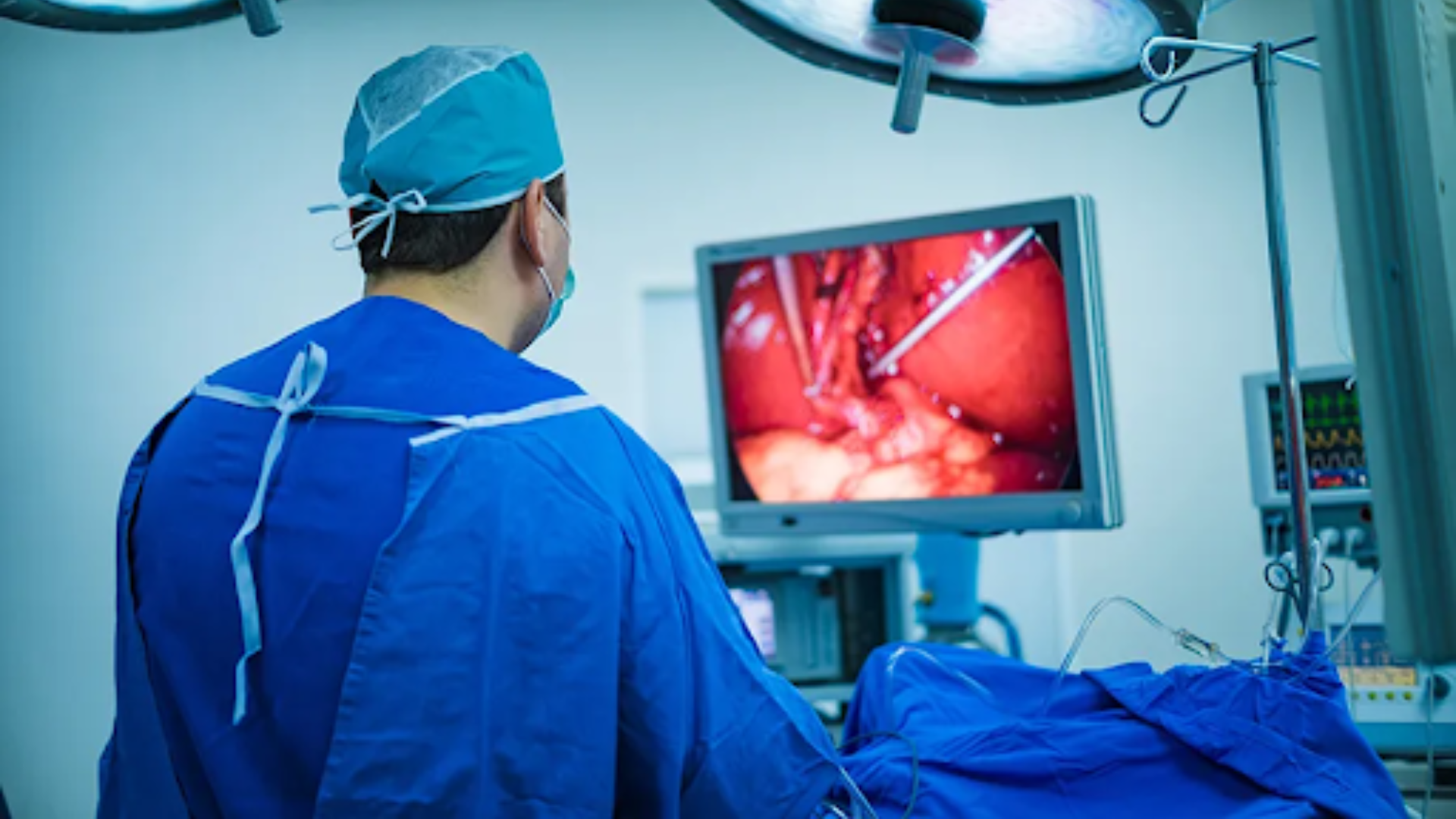
Routine colorectal cancer screening is essential for detecting precancerous polyps in the colon or rectum before they develop into cancer, making treatment more manageable. These tests not only aid in early detection but can also remove polyps to prevent cancer altogether.
In its early stages, colorectal cancer usually causes no symptoms. Only through screening can it be detected early. Symptoms typically appear as the cancer progresses.
Signs and Symptoms of Colorectal Cancer
Changes in bowel habits (diarrhea or constipation)
Rectal bleeding
Persistent fatigue
Abdominal pain
Unexplained weight loss
Colorectal Cancer Detection Methods
Stool-Based Tests
gFOBT (Guaiac Fecal Occult Blood Test):
Detects heme, a component of hemoglobin in blood. Results may be influenced by certain foods such as red meat, iron supplements, or specific medications. Recommended every 1–2 years.FIT (Fecal Immunochemical Test):
Uses antibodies to specifically detect human hemoglobin. Not affected by diet, eliminating the need for dietary restrictions before testing. Recommended every 1–2 years.sDNA-FIT (Multitarget Stool DNA Test):
Detects both hemoglobin and specific DNA markers shed by colon cells in stool. Recommended every 3 years.
Direct Visualization Screening Tests
Unlike stool-based tests, these methods allow doctors to directly visualize the inside of the colon and rectum and perform procedures such as biopsies or polyp removal if needed. The three primary methods include:
Sigmoidoscopy:
A procedure to examine and biopsy the rectum, sigmoid colon, and descending colon to detect colorectal cancer. The USPSTF recommends it every 5 years, or every 10 years when combined with annual FIT.Colonoscopy:
The gold-standard screening method for detecting polyps and colorectal cancer by examining the entire colon. This procedure enables biopsy or polyp removal and is recommended every 10 years if results are normal. It significantly reduces cancer risk.CT Colonography (Virtual Colonoscopy):
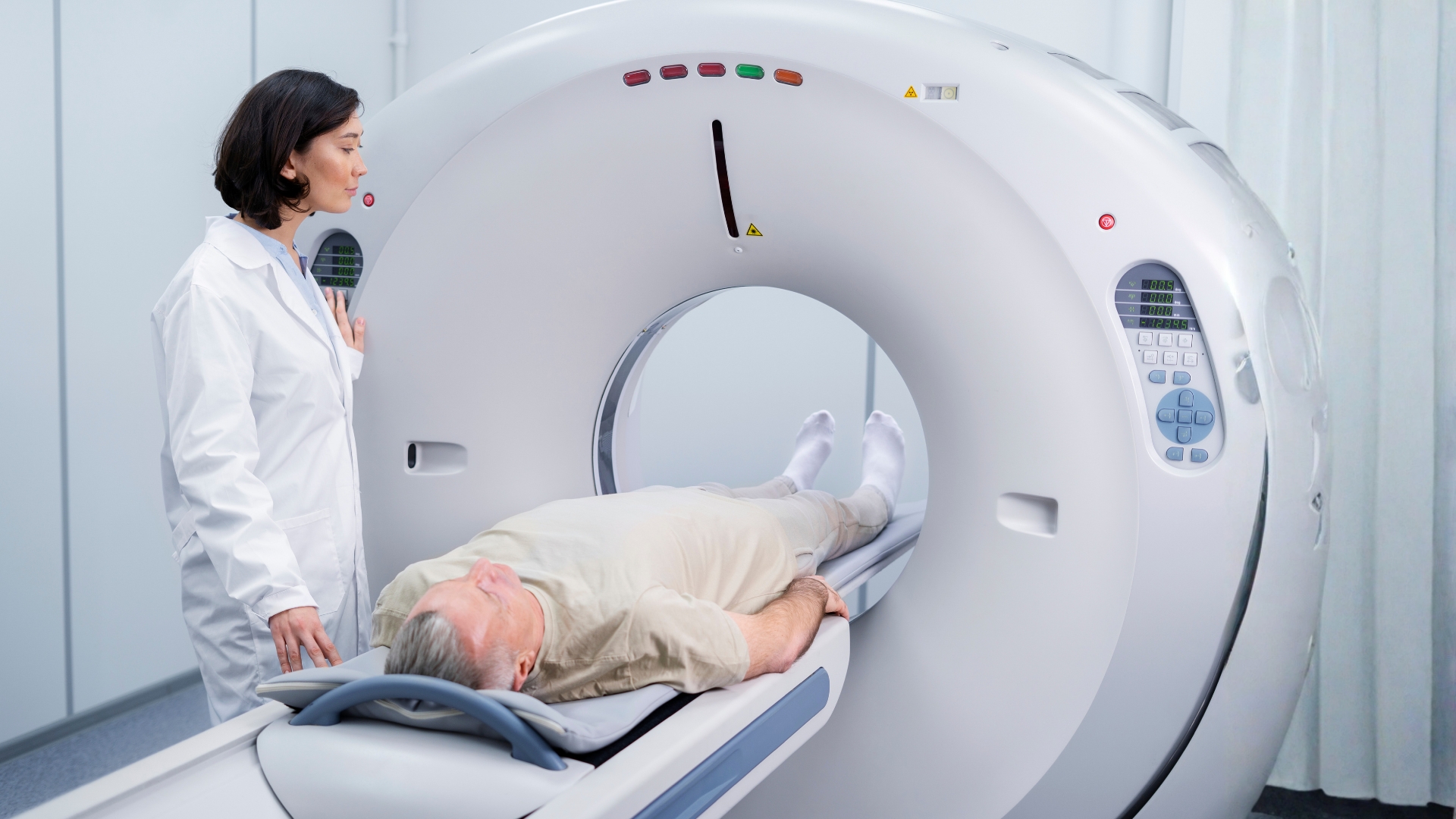
Uses CT scans to detect polyps and cancer in the colon and rectum. Recommended every 5 years. Abnormal results should be followed up with a standard colonoscopy.
Blood Tests for Colorectal Cancer Detection
Tests like Shield and Epi proColon are used to detect signs of colorectal cancer in the bloodstream. The process begins with a blood sample taken at a clinic, which is then sent to a lab for analysis. These tests look for DNA changes that may indicate the presence of cancer or precancerous polyps.
Take Action: Get Screened for Colorectal Cancer
Now that you’re familiar with the types of colorectal cancer screening, it's crucial to undergo early detection to choose the method best suited to your health condition.
KALGen Innolab offers a complete range of testing services, including:
CA 19-9 Tumor Marker Test: Detects abnormal proteins associated with cancer.
OncoPANEL-Colorectal: Analyzes genetic mutations to identify hereditary colorectal cancer risk.
These services are available in East Jakarta, Surabaya, and other major cities across Indonesia.
Contact the KALGen Innolab Hotline today for more information and screening appointments.
Reference:
Cancer Care - Colorectal Cancer: Understanding Risk Factors and Screening
Brown Health University - Early Detection of Colorectal Cancer is Key
National Cancer Institute - Screening Tests to Detect Colorectal Cancer and Polyps
PubMed Central - Optimal Strategies for Colorectal Cancer Screening

.png)